
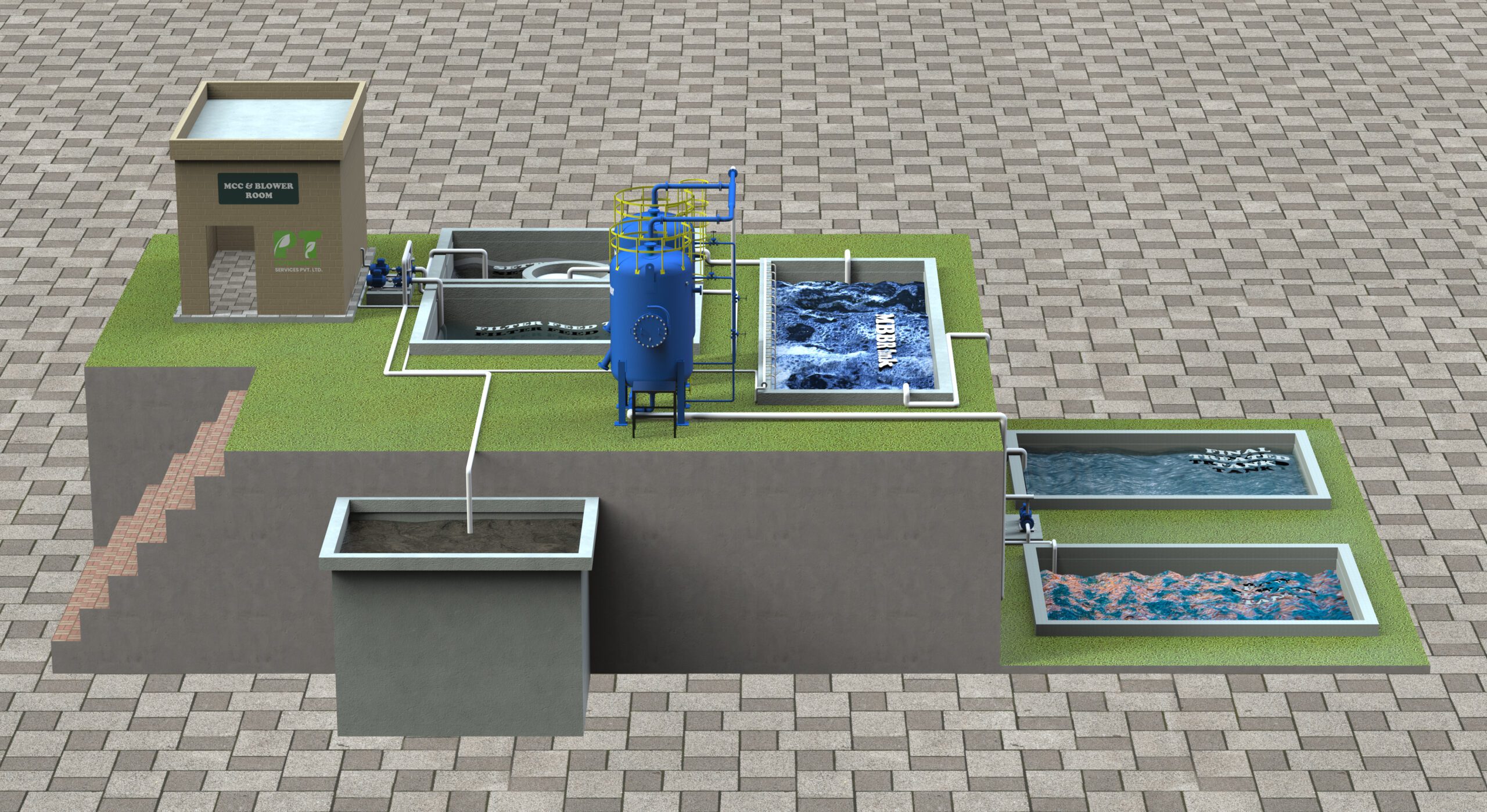
A sewage treatment plant (STP) plays a crucial role in ensuring safe wastewater management, especially in large residential societies, commercial spaces, and industrial facilities. As the demand for efficient sewage water treatment in India grows, maintaining the performance of an STP has become more important than ever. Whether you are operating a conventional sewage treatment system, Digismart STP system, or any modern automated setup, operational problems like odour, sludge issues, and overflow can still occur if not managed properly.
This guide covers the most common STP problems, their causes, and the troubleshooting steps you can implement immediately.
Common STP Problem 1: Odour Issues
Foul smell is the most noticeable and frequent STP issue. If you’re facing continuous odour complaints, the problem usually lies in the biological process or aeration.
Causes of odour
- Low dissolved oxygen levels
- Overloaded or shock-loaded sewage treatment system
- Accumulated sludge not removed on time
- Failure of aeration blowers or diffusers
- Dead microbial biomass due to toxic influent
Troubleshooting steps
- Increase aeration immediately to restore oxygen levels.
- Check blower pressure, diffuser condition, and air distribution lines.
- Remove excess sludge from the aeration tank and secondary clarifier.
- Add fresh microbial culture to stabilise the biological process.
- Inspect incoming wastewater for oils, chemicals, or toxic loads.
- If using a DiGiSmart STP system, review automated logs to identify sudden load variations.
Preventive tips
- Monitor Dissolved Oxygen (DO) daily.
- Clean diffusers periodically.
- Maintain consistent microbial population through bio-dosing.
- Conduct weekly influent quality checks.
Common STP Problem 2: Excessive Sludge Formation
Sludge is normal in any sewage treatment plant, but excessive sludge buildup affects treatment quality and can cause blockages, reduced efficiency, and odour.
Causes of high sludge
- Imbalanced food-to-microorganism (F:M) ratio
- Poor aeration leading to incomplete digestion
- High organic loading
- Infrequent sludge withdrawal
- Low microbial activity
Troubleshooting steps
- Measure MLSS (Mixed Liquor Suspended Solids) and adjust aeration accordingly.
- Increase the sludge withdrawal frequency from the clarifier.
- Add microbial culture to restore biological activity.
- Check for toxic influent that may be killing healthy bacteria.
- Ensure the return sludge pump is functioning correctly.
Preventive tips
- Maintain MLSS within recommended limits.
- Schedule weekly sludge handling.
- Use flow equalisation to avoid shock loads.
- Maintain aeration efficiency using regular blower and diffuser servicing.
Common STP Problem 3: STP Overflow
Overflow problems can cause environmental contamination and severe compliance issues. This is especially critical for large facilities relying on commercial sewage water treatment in India.
Causes of overflow
- Blocked outlet pipes
- Choked return sludge line
- Hydraulic overloading
- Power failure or equipment breakdown
- Clarifier failure
- Stormwater entering the sewage treatment system
Troubleshooting steps
- Inspect and clear all outlet pipes and sludge lines.
- Reduce incoming flow temporarily using equalisation tanks.
- Restart pumps, blowers, and mixers immediately after power restoration.
- As a short-term solution, increase sludge removal to reduce tank volume.
- If clarifier is overloaded, re-direct flow to bypass tanks temporarily.
- For facilities using automated units like the digismart stp system, check sensor readings and alarms to detect the cause quickly.
Preventive tips
- Install non-return valves to avoid backflow.
- Clean pipes and channels frequently.
- Maintain standby blowers and pumps to avoid breakdowns.
- Use rainwater diversion systems to prevent stormwater mixing.
When to Seek Professional Help
While many STP issues can be fixed with routine troubleshooting, certain situations require expert support:
- Persistent odour despite aeration corrections
- Continuous overflow even with normal flow levels
- Sludge settling problems in the clarifier
- Mechanical failures in blowers, pumps, or diffusers
- Repeated biological crashes
- Compliance failures with discharge norms
In such cases, working with a trusted sewage treatment plant dealer or a reliable sewage treatment plant manufacturer ensures correct diagnosis and long-term stability.
How Advanced Systems Help
Modern technologies like the digismart stp system use automated sensors, improved microbial media, and digital monitoring to minimise operational errors. These systems offer:
- Real-time oxygen and load monitoring
- Optimised sludge handling
- Better aeration efficiency
- Remote supervision
- Lower chances of odour and overflow
Upgrading your sewage treatment plant to a smarter system can greatly reduce downtime and recurring problems.
Conclusion
Odour, excessive sludge, and overflow are the three most common issues faced in sewage water treatment in India. With regular monitoring, timely sludge management, proper aeration, and preventive maintenance, these issues can be resolved efficiently. Whether you manage a large commercial facility or a small residential plant, ensuring the health of your sewage treatment system is essential for sustainable operations.
If your STP is facing repeated breakdowns, odour concerns, or performance drops, it’s time to get expert support. Whether you need troubleshooting, system upgrades, or advice on choosing the right sewage treatment plant manufacturer, our technical team can help you restore efficiency quickly.
Contact us today for a detailed STP health check and on-site consultation. Your wastewater system should work for you—not against you.